Building Conversational AI: Best Practices and Tips
Learn the essential strategies for creating engaging, effective conversational AI experiences that delight users and drive business results.
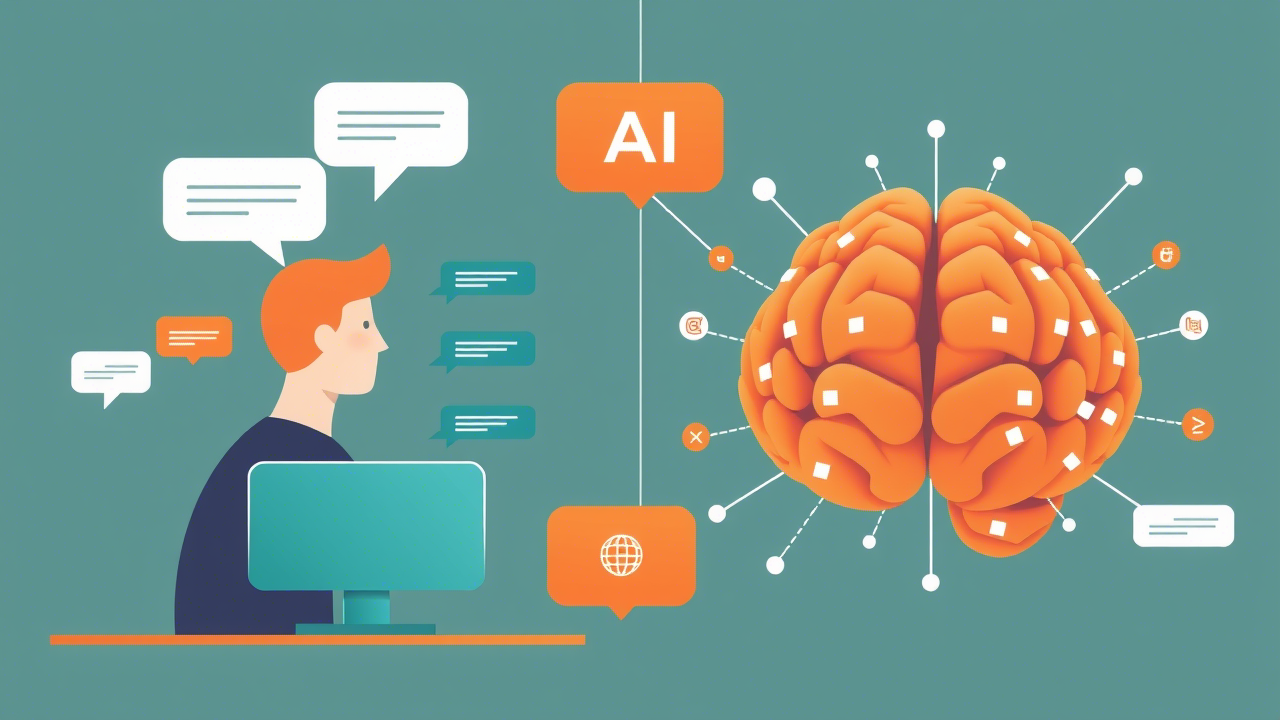
Creating effective conversational AI requires more than just advanced technology—it demands understanding human psychology, conversation design, and user experience principles.
Understanding User Intent
The foundation of great conversational AI lies in accurately understanding what users actually want to achieve. This involves:
- Natural language processing that goes beyond keyword matching
- Context awareness to maintain conversation flow
- Intent classification that handles variations in user expression
Design Principles
Keep It Natural
Users should feel like they're talking to a knowledgeable assistant, not interacting with a complex system.
Be Transparent
Always let users know they're interacting with an AI agent and what its capabilities are.
Fail Gracefully
When the AI doesn't understand, provide helpful alternatives rather than generic error messages.
Implementation Strategies
1. **Start Simple**: Begin with clear, well-defined use cases
2. **Iterate Based on Data**: Use conversation analytics to improve performance
3. **Train Continuously**: Regular updates keep your AI current and effective
4. **Test Extensively**: Simulate various conversation scenarios before deployment
Measuring Success
Track metrics that matter:
- User satisfaction scores
- Task completion rates
- Conversation length and flow
- Escalation to human agents
The goal is creating AI that enhances human capabilities rather than replacing human touch entirely.
Related Articles
The Future of AI Agents in Business Automation
Explore how AI agents are revolutionizing business processes, from customer service to complex decision-making, and what this means for the future of work.
Voice AI Revolution: Beyond Text-Based Interactions
Discover how voice-enabled AI agents are creating more natural, accessible, and efficient ways to interact with technology in business environments.